 BeautyScore
· 17 min read
The connection between facial beauty and intelligence
Explore the fascinating link between facial beauty and intelligence, delving into the science, psychology, and societal impact. Debunk myths, discuss success implications, and offer practical tips for enhancing both aspects. Embrace diversity and individuality while encouraging reader reflection and interaction.
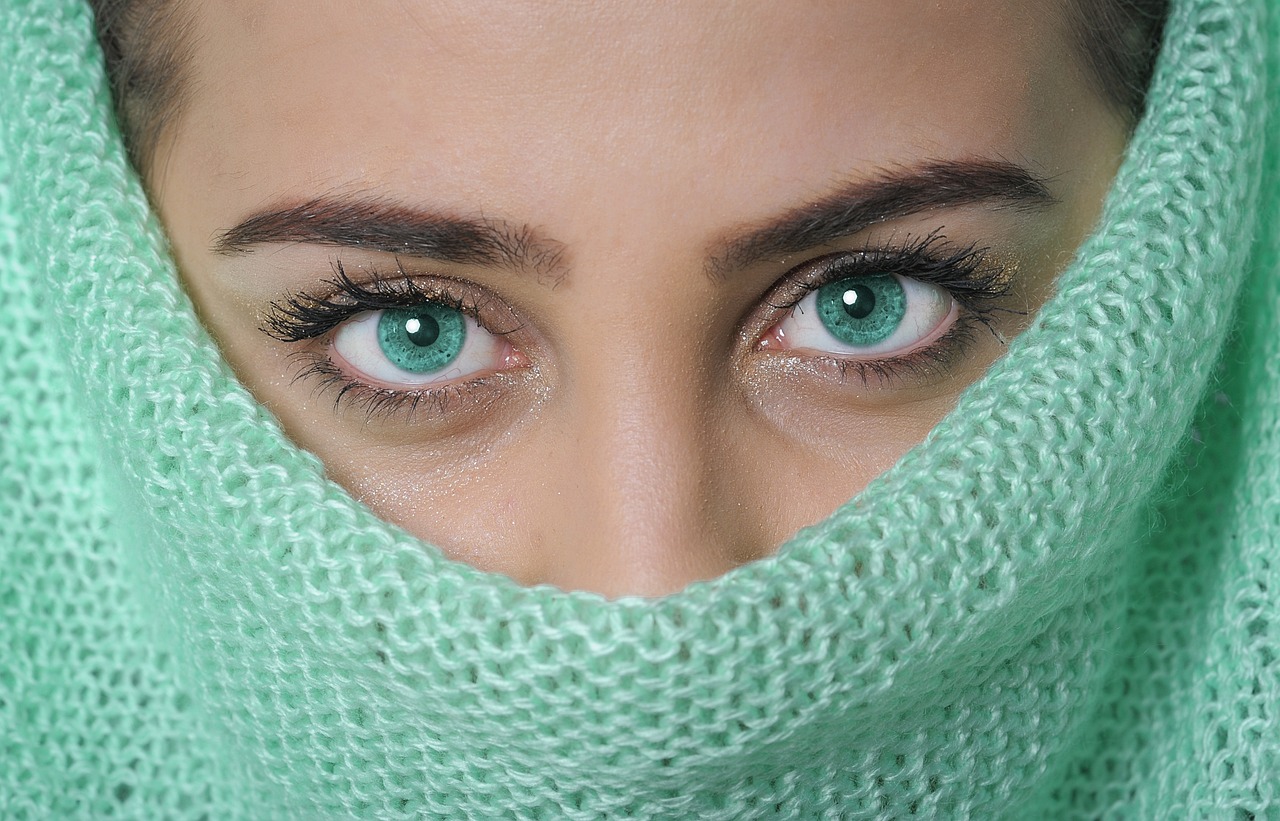
The Fascinating Link Between Facial Beauty and Intelligence
Have you ever wondered if there’s a connection between facial beauty and intelligence? It’s a topic that has intrigued scientists, psychologists, and the general public for decades. What if I told you that research suggests there might be a correlation between the two? It’s a fascinating concept that delves into the complexities of human perception and cognition. Let’s explore this intriguing link and uncover the insights that lie beneath the surface.
Understanding Facial Beauty and Intelligence
Facial beauty is a concept that varies across different cultures and societies. In some cultures, symmetrical features and clear skin are considered the epitome of beauty, while in others, unique facial characteristics are celebrated. For example, in South Korea, aegyo sal, the small puffy area under the eyes, is considered attractive, while in some African cultures, facial scarification is seen as a symbol of beauty. These diverse perceptions of facial beauty highlight the subjective nature of this concept and the influence of cultural norms and values.
Intelligence, on the other hand, encompasses a wide range of cognitive abilities and skills. It goes beyond traditional measures such as IQ and includes emotional intelligence, social intelligence, and practical intelligence. Emotional intelligence, for instance, refers to the ability to understand and manage one’s own emotions and empathize with others. Cognitive intelligence, often measured by IQ tests, involves problem-solving, critical thinking, and analytical skills. Each type of intelligence plays a crucial role in an individual’s overall development and success.
To illustrate, consider the example of two individuals applying for a leadership position. While one candidate may possess exceptional cognitive intelligence, the other may excel in emotional intelligence, enabling them to connect with and motivate team members effectively. Both forms of intelligence are valuable in different contexts, and understanding their nuances can help individuals appreciate the diverse ways in which intelligence manifests.
In conclusion, facial beauty and intelligence are multifaceted concepts that are shaped by cultural influences and individual abilities. By recognizing the diversity of perceptions and the various dimensions of intelligence, we can cultivate a deeper understanding of these fundamental aspects of human experience.
The Science Behind Facial Beauty
When it comes to facial beauty, there’s more to it than just subjective preferences. The perception of facial beauty is deeply rooted in biological and evolutionary factors. Research has shown that certain facial features are universally considered attractive across different cultures and societies, indicating a biological basis for beauty standards.
Facial Symmetry and Attractiveness
One of the key factors contributing to perceptions of facial beauty is symmetry. Studies have consistently found that people with more symmetrical faces are rated as more attractive. This is believed to be linked to evolutionary advantages, as facial symmetry is associated with good health and genetic fitness. Evolutionarily, individuals with symmetrical faces may have been perceived as better potential mates, as symmetry can be an indicator of genetic quality and developmental stability.
Proportions and Attractiveness
Facial proportions also play a significant role in determining attractiveness. Research has shown that certain facial proportions, such as the distance between the eyes, the width of the nose, and the shape of the lips, contribute to perceptions of beauty. For example, the “golden ratio” or “divine proportion” is often cited as an ideal proportion for facial attractiveness. This ratio, approximately 1.618, is believed to be aesthetically pleasing and is found in various aspects of nature and art.
Scientific Studies and Findings
Numerous scientific studies have delved into the correlation between facial symmetry, proportions, and attractiveness. For instance, a study published in the journal Nature found that faces with increased symmetry were rated as more attractive. Another study in the Proceedings of the Royal Society B revealed that faces with average proportions were perceived as more beautiful. These findings provide empirical evidence supporting the link between specific facial features and attractiveness.
Visual Illustrations
To better understand the scientific aspects of facial beauty, visual aids such as diagrams and images can be incredibly helpful. Diagrams illustrating facial symmetry and proportions can visually demonstrate the key factors that contribute to perceptions of attractiveness. Additionally, images showing the faces used in research studies can provide a tangible representation of how certain facial features are associated with beauty.
In conclusion, the science behind facial beauty is a fascinating intersection of biology, evolution, and perception. Understanding the biological and evolutionary factors that contribute to perceptions of facial beauty, as well as the research findings and studies exploring facial symmetry, proportions, and attractiveness, provides valuable insights into the universal standards of beauty.
The Psychology of Perceiving Facial Beauty
When it comes to perceiving facial beauty, the human mind is influenced by a complex interplay of psychological factors. Our perception of beauty is not solely based on physical features, but is also shaped by cultural and societal standards. Let’s delve into the psychological aspects of how people perceive facial beauty and the impact of these external influences.
The Role of Psychological Factors
The human brain is wired to recognize patterns and symmetry, and these play a significant role in how we perceive facial beauty. Studies have shown that faces with symmetrical features are often rated as more attractive, as symmetry is associated with good health and genetic fitness. Additionally, the “babyface” phenomenon, where individuals with youthful and childlike features are perceived as more attractive, highlights the influence of psychological factors on facial beauty perception.
Cultural and Societal Standards
Cultural and societal standards heavily influence our perception of facial beauty. What is considered attractive in one culture may not hold the same value in another. For example, in some cultures, facial piercings or tattoos are seen as attractive, while in others, clear and blemish-free skin is the epitome of beauty. These standards are ingrained in our minds from a young age through media, family, and social interactions, shaping our perception of beauty.
Real-Life Examples and Case Studies
One compelling example of the impact of cultural and societal standards on facial beauty perception is the global beauty industry. The beauty standards portrayed in advertisements, magazines, and social media platforms often dictate what is considered beautiful, leading individuals to strive for these ideals. Case studies have shown that exposure to these standards can lead to body dissatisfaction and low self-esteem, highlighting the profound psychological influence on how we perceive facial beauty.
In conclusion, the psychology of perceiving facial beauty is a multifaceted phenomenon influenced by psychological factors and external standards. Understanding these influences can lead to a more nuanced appreciation of beauty and a recognition of the diverse factors that shape our perceptions.
The Impact of Facial Beauty on Social Perception
When it comes to social interactions, facial beauty plays a significant role in shaping our perceptions of others. Research has shown that attractive individuals are often perceived more positively and are more likely to be seen as sociable, friendly, and approachable. This phenomenon, known as the “halo effect,” influences how we form initial impressions of others based on their physical appearance.
The Halo Effect: How Facial Attractiveness Shapes Assumptions
The halo effect refers to the cognitive bias where our overall impression of a person influences how we perceive their specific traits or abilities. In the context of facial beauty, this means that individuals who are perceived as attractive are often assumed to possess other positive qualities, such as intelligence, competence, and likability. This can have a profound impact on how others interact with and respond to them in social settings.
Impact on Assumptions about Intelligence
Facial attractiveness can also impact assumptions about a person’s intelligence. Studies have found that individuals who are considered more attractive are often rated as more intelligent, regardless of their actual cognitive abilities. This can lead to unfair advantages or disadvantages in various social and professional situations, as people may be judged based on their appearance rather than their actual capabilities.
Anecdotes and Quotes: Bringing the Concept to Life
To illustrate the influence of facial beauty on social perception, consider the words of Maya Angelou, who famously said, “I’ve learned that people will forget what you said, people will forget what you did, but people will never forget how you made them feel.” This quote encapsulates the lasting impact of our interactions, which can be heavily influenced by our initial perceptions based on facial attractiveness.
Additionally, imagine a scenario where two individuals with similar qualifications are being interviewed for a job. The more attractive candidate may be perceived as more competent and capable, leading to a biased hiring decision based on appearance rather than merit.
In conclusion, the relationship between facial beauty and social perception is a complex and impactful aspect of human interaction. By understanding the halo effect and its influence on assumptions about intelligence, we can strive to approach others with a more open and unbiased mindset, recognizing the value of inner qualities beyond external appearances.
Debunking Myths About Facial Beauty and Intelligence
Hey there! Let’s talk about the age-old myths surrounding facial beauty and intelligence. It’s time to debunk these misconceptions and shed some light on the real connection between the two.
Myth 1: Beautiful people are less intelligent
This myth has been around for ages, but let’s set the record straight. There is no scientific evidence to support the idea that facial beauty and intelligence are inversely related. In fact, numerous studies have shown that there is no correlation between physical attractiveness and cognitive abilities.
Myth 2: Unattractive individuals are smarter
On the flip side, some people believe that those who are not conventionally attractive must compensate by being more intelligent. However, this is simply not true. Intelligence is not determined by one’s physical appearance. It’s important to recognize that everyone has their own unique strengths and abilities, regardless of their looks.
Myth 3: Facial symmetry is a sign of high intelligence
You may have heard the theory that symmetrical faces are an indicator of greater intelligence. While facial symmetry is often associated with attractiveness, it does not necessarily correlate with intelligence. In reality, intelligence is a complex trait influenced by a variety of factors, and facial symmetry is not a reliable indicator of cognitive abilities.
Debunking the Myths
So, why do these myths persist? It’s likely due to societal stereotypes and biases that have been perpetuated over time. However, it’s important to approach these assumptions with a critical mindset and seek out evidence-based explanations.
Research has consistently shown that intelligence is multifaceted and cannot be accurately judged based on physical appearance. Cognitive abilities are influenced by a combination of genetics, environment, education, and personal experiences.
It’s crucial to challenge these myths and recognize that beauty and intelligence are independent of each other. Embracing diversity and understanding the complexity of human traits can help break down these misconceptions.
In conclusion, the connection between facial beauty and intelligence is a complex and nuanced topic. By debunking these myths, we can encourage a more inclusive and open-minded perspective on the diverse qualities that make each individual unique.
Remember, it’s what’s inside that truly counts, and intelligence comes in all shapes and forms, regardless of external appearances.
The Power of Facial Beauty and Perceived Intelligence in Personal and Professional Success
When it comes to personal and professional success, facial beauty and perceived intelligence can play a significant role in shaping opportunities and outcomes. While it’s essential to recognize the value of inner qualities and skills, it’s also important to acknowledge the impact of external perceptions on individuals’ paths to success.
The Influence of Facial Beauty
Facial beauty has long been associated with positive social outcomes, including career advancement and personal relationships. Research has shown that individuals perceived as more attractive often receive preferential treatment in various aspects of life, from job interviews to social interactions. This phenomenon, known as the “beauty bias,” can create both advantages and challenges for individuals, depending on how they are perceived by others.
Perceived Intelligence and Success
In addition to facial beauty, perceived intelligence also plays a crucial role in shaping opportunities for personal and professional success. People who are perceived as intelligent are often given more credibility, leadership opportunities, and career advancements. However, the perception of intelligence can be influenced by various factors, including facial expressions, body language, and communication skills.
Societal Biases and Opportunities
Societal biases based on facial appearance can significantly impact individuals’ access to opportunities. For example, studies have shown that individuals with more symmetrical and conventionally attractive faces are often perceived as more competent and trustworthy, leading to greater career prospects and social advantages. On the other hand, those who do not conform to traditional beauty standards may face barriers in certain industries or social settings.
Real-World Examples
Real-world examples abound of individuals who have navigated the complex interplay between facial beauty, perceived intelligence, and success. From entrepreneurs who have leveraged their charisma and appearance to build successful personal brands to professionals who have overcome biases through their exceptional skills and determination, these stories illustrate the multifaceted nature of success in a world where external perceptions can wield significant influence.
In conclusion, the relationship between facial beauty, perceived intelligence, and success is a complex and nuanced one. While external perceptions undoubtedly shape opportunities and outcomes, it’s essential to recognize and celebrate the diverse qualities and talents that contribute to personal and professional achievements. By fostering a more inclusive and holistic understanding of success, we can create a world where individuals are valued for their unique abilities and contributions, regardless of external appearances.
Enhancing Facial Beauty and Intelligence: A Holistic Approach
When it comes to enhancing facial beauty, it’s important to remember that true beauty comes from within. Taking care of your skin and overall well-being can significantly contribute to your facial attractiveness. Similarly, nurturing intelligence involves more than just academic pursuits; it encompasses emotional intelligence and cognitive abilities. Let’s explore some practical tips and advice for achieving both goals.
Skincare and Grooming for Facial Beauty
Daily Cleansing: Start with a gentle cleanser to remove dirt and impurities from your skin. Follow up with a suitable toner to balance the skin’s pH levels.
Moisturize Regularly: Hydrating your skin is crucial for maintaining its elasticity and youthful appearance. Choose a moisturizer that suits your skin type and apply it daily.
Sun Protection: Shield your skin from harmful UV rays by using a broad-spectrum sunscreen with an SPF of at least 30, even on cloudy days.
Healthy Lifestyle: Eating a balanced diet, staying hydrated, and getting enough sleep can work wonders for your skin. Incorporate fruits, vegetables, and omega-3 fatty acids into your meals for a natural glow.
Grooming Habits: Keep your eyebrows well-shaped, maintain a clean shave or well-groomed beard, and pay attention to your hair and nails. These small details can enhance your overall facial appearance.
Self-Care Practices for Facial Attractiveness
Stress Management: Practice relaxation techniques such as meditation, yoga, or deep breathing exercises to reduce stress levels. Chronic stress can lead to skin issues, so it’s essential to find healthy coping mechanisms.
Facial Massages: Stimulate blood flow and promote lymphatic drainage by incorporating facial massages into your skincare routine. This can help reduce puffiness and enhance your skin’s radiance.
Hydration and Nutrition: Drink an adequate amount of water throughout the day to keep your skin hydrated from within. Additionally, consider incorporating skin-boosting foods like avocados, nuts, and green tea into your diet.
Regular Exercise: Engaging in physical activity not only benefits your overall health but also promotes circulation, which can contribute to a healthy complexion.
Improving Cognitive Abilities and Emotional Intelligence
Continuous Learning: Challenge your mind by learning new skills, reading books, or taking up hobbies that stimulate your intellect. This could be anything from learning a new language to mastering a musical instrument.
Mindfulness Practices: Cultivate emotional intelligence through mindfulness and self-awareness. Practices like meditation and journaling can help you understand and regulate your emotions more effectively.
Social Interaction: Engage in meaningful conversations and surround yourself with diverse perspectives. This can broaden your understanding of the world and enhance your emotional intelligence.
Brain-Boosting Activities: Solve puzzles, play strategy games, or engage in activities that require critical thinking. These exercises can help maintain and improve cognitive function.
By adopting a holistic approach that encompasses skincare, grooming, self-care practices, and activities to nurture intelligence, you can enhance both your facial beauty and intelligence. Remember, true beauty and intelligence radiate from a healthy mind and body.
Embracing Diversity and Individuality: Celebrating Unique Facial Features and Intelligence
Hey there! Have you ever stopped to think about the beauty of diversity in facial features and intelligence? It’s truly amazing how each person has their own unique combination of features and strengths. Embracing this diversity is not only important, but it’s also incredibly enriching for our society.
Celebrating Unique Facial Features
When it comes to facial features, there’s a wide range of diversity that should be celebrated. From different eye shapes and colors to various skin tones and facial structures, every individual brings something special to the table. Instead of conforming to narrow beauty standards, we should appreciate and celebrate the distinctiveness of each person’s appearance.
Imagine a world where everyone looked the same - it would be quite dull, wouldn’t it? Our differences are what make us interesting and beautiful. By embracing diverse facial features, we can create a more inclusive and accepting environment where everyone feels valued and respected for who they are.
Embracing Different Forms of Intelligence
Intelligence comes in many forms, and it’s essential to recognize and appreciate this diversity. While traditional measures of intelligence often focus on academic or cognitive abilities, there are also emotional, social, creative, and practical intelligences that deserve recognition.
For example, someone may excel in artistic expression, while another person may have a remarkable ability to understand and connect with others on an emotional level. By acknowledging and celebrating these diverse forms of intelligence, we can create a more inclusive and supportive community where everyone’s strengths are valued.
Inclusive Language and Examples
Using inclusive language and examples is crucial in promoting acceptance and understanding. Instead of using language that reinforces stereotypes or excludes certain groups, we should strive to be inclusive in our communication. For instance, instead of using gender-specific terms like “he” or “she,” we can use “they” to encompass all genders.
Furthermore, sharing stories and examples that highlight the beauty of diverse facial features and intelligence can help readers see the value in embracing individuality. By showcasing a variety of experiences and perspectives, we can inspire others to appreciate the richness of diversity.
In conclusion, embracing diversity in facial features and intelligence is not only important, but it’s also a wonderful opportunity to learn from one another and grow as a society. Let’s celebrate the uniqueness of each person’s appearance and strengths, and create a world where everyone feels valued and accepted for who they are.
Embracing True Beauty and Intelligence
In conclusion, we have explored the interconnectedness of facial beauty and intelligence, debunking the myths and stereotypes that often cloud our perceptions. We have learned that beauty is not solely defined by symmetrical features, but rather by the uniqueness and character that each individual possesses. Similarly, intelligence cannot be accurately judged based on appearance alone, as it encompasses a wide range of abilities and talents.
As we wrap up, I encourage you to take a moment to reflect on your own beliefs and perceptions of beauty and intelligence. Consider the impact of societal standards and how they may have influenced your views. Embracing true beauty and intelligence means recognizing and celebrating diversity in all its forms.
I invite you to share your thoughts and experiences in the comments below. Let’s continue this conversation and support each other in embracing authentic beauty and intelligence. Additionally, feel free to explore further resources on this topic to deepen your understanding and challenge any preconceived notions.
Together, let’s strive to create a world where everyone is valued for their unique qualities and where beauty and intelligence are celebrated in all their diverse manifestations.