 BeautyScore
· 15 min read
The future of defining and measuring beauty
Discover the evolution of beauty standards, the influence of media on beauty perception, the psychology of beauty, and the intersection of beauty and technology. Explore the rise of inclusive beauty standards and the future of beauty measurement, and consider redefining beauty for future generations.
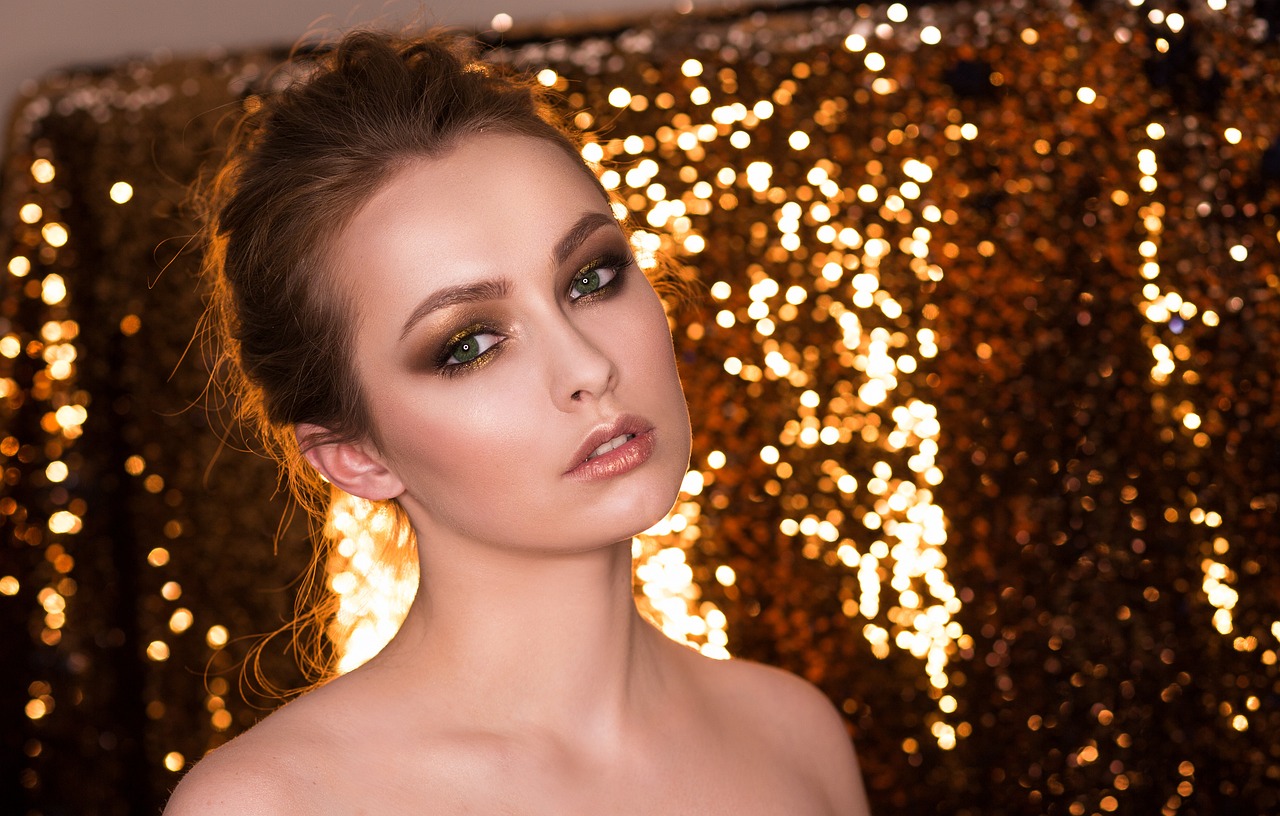
The Ever-Evolving Notion of Beauty
“Beauty is not in the face; beauty is a light in the heart.” - Kahlil Gibran
Beauty, a concept as old as humanity itself, has been a subject of fascination and debate across cultures and time periods. From ancient civilizations to modern societies, the definition and measurement of beauty have undergone significant transformations. In this blog post, we will delve into the intriguing journey of beauty standards, exploring how they have evolved and the impact they have on individuals and society. By the end of this read, you will gain a deeper understanding of the fluid nature of beauty and how it shapes our perceptions and experiences.
The Evolution of Beauty Standards: A Journey Through Time and Culture
Beauty standards have always been a reflection of the values and beliefs of a society. Throughout history and across different cultures, the definition of beauty has evolved significantly, often influenced by factors such as social norms, cultural traditions, and even technological advancements.
Ancient Beauty Ideals:
In ancient Egypt, beauty was associated with features like symmetrical facial proportions, smooth skin, and lustrous hair. The use of cosmetics, such as kohl for the eyes and red ochre for the lips and cheeks, was common among both men and women. In ancient China, small feet were considered a symbol of beauty and status, leading to the practice of foot binding, despite its detrimental effects on women’s health.
Renaissance and Victorian Era:
During the Renaissance, fuller figures were celebrated as a sign of wealth and fertility. However, the Victorian era brought about a shift towards a more delicate and fragile ideal of beauty, with pale skin, rosy cheeks, and a tiny waist being highly coveted.
20th Century and Beyond:
The 20th century witnessed a series of shifts in beauty standards. The 1920s embraced a more androgynous look, with women rejecting corsets and opting for a boyish figure. The mid-20th century saw the rise of Hollywood glamour, with hourglass figures and red lips becoming iconic. In recent decades, there has been a growing emphasis on diversity and inclusivity, challenging traditional beauty norms and celebrating a wider range of body types, skin tones, and facial features.
Cross-Cultural Variances:
It’s important to recognize that beauty standards vary significantly across different cultures. For example, in some African and South American cultures, body modifications such as scarification and lip plates are considered beautiful. In Japan, the concept of “wabi-sabi” values imperfection and impermanence, shaping their perception of beauty in a unique way.
Conclusion:
The evolution of beauty standards is a testament to the ever-changing nature of societal ideals. While certain beauty trends may come and go, it’s crucial to embrace diversity and appreciate the unique characteristics that make individuals beautiful in their own right. As we continue to progress, it’s essential to celebrate beauty in all its forms, transcending cultural boundaries and redefining the meaning of true beauty.
The Influence of Media on Beauty Perception
When it comes to beauty perception, the media, including social media, plays a significant role in shaping modern beauty standards. From advertising to celebrity culture and digital manipulation, the impact of media on beauty perception is undeniable.
Unrealistic Beauty Expectations
The media often portrays a narrow and unrealistic definition of beauty, leading to the perpetuation of unattainable beauty standards. Images of flawless models and celebrities flood our screens, creating an idealized version of beauty that is often unattainable for the average person. This can lead to feelings of inadequacy and low self-esteem among individuals who do not fit into this narrow definition of beauty.
Role of Advertising
Advertising heavily influences beauty perception by promoting products and services that promise to enhance one’s appearance. Advertisements often feature airbrushed models and celebrities, creating an unrealistic portrayal of beauty. This can lead consumers to believe that they need to attain a certain look in order to be considered attractive or desirable.
Celebrity Culture
Celebrities, who are often portrayed as epitomes of beauty and success, have a significant impact on shaping beauty standards. Their influence on social media platforms further amplifies the pressure to conform to unrealistic beauty ideals. The constant exposure to curated and filtered images of celebrities can distort one’s perception of beauty and lead to dissatisfaction with one’s own appearance.
Digital Manipulation
The widespread use of digital manipulation in media further distorts beauty perception. Photoshopping and digital enhancements create an unattainable standard of beauty, blurring the line between reality and fantasy. This can lead to a distorted self-image and unrealistic expectations about one’s own appearance.
In conclusion, the influence of media on beauty perception is profound and far-reaching. It is important for individuals to critically evaluate the messages they receive from the media and to recognize that beauty comes in diverse forms. By promoting a more inclusive and realistic portrayal of beauty, the media can help in reshaping beauty standards and fostering positive self-image.
The Psychology of Beauty: Understanding Perception and Self-Esteem
Beauty is a complex and multifaceted concept that is deeply rooted in psychology. The way individuals perceive beauty is influenced by a variety of psychological factors, including cultural norms, personal experiences, and evolutionary instincts.
Psychological Factors Influencing Perception of Beauty
Cultural Norms: Different cultures have varying standards of beauty, which shape individuals’ perceptions of attractiveness. For example, in some cultures, a fuller figure may be considered more beautiful, while in others, a slim physique is ideal.
Personal Experiences: Past experiences and interactions with others can significantly impact one’s perception of beauty. Positive experiences may lead to a more positive self-image, while negative experiences can result in lower self-esteem.
Evolutionary Instincts: Evolutionary psychology suggests that certain traits, such as symmetrical facial features and clear skin, are universally perceived as attractive due to their association with good health and reproductive fitness.
Beauty as a Social Construct
The concept of beauty is largely a social construct, meaning that it is influenced by societal standards and expectations. This construct can have a profound impact on individuals’ self-esteem and body image.
Impact on Self-Esteem: Society’s narrow definition of beauty can lead individuals to feel inadequate or insecure if they do not fit the conventional standards. This can have detrimental effects on self-esteem and mental well-being.
Body Image: The societal emphasis on physical appearance can lead to body dissatisfaction and unhealthy behaviors, such as extreme dieting or cosmetic procedures, in an attempt to conform to societal beauty ideals.
In conclusion, the psychology of beauty is a complex interplay of cultural, personal, and evolutionary factors. Understanding these influences can help individuals develop a more nuanced and compassionate view of beauty, both in themselves and others. It is essential to recognize the impact of societal constructs on self-esteem and body image and work towards promoting a more inclusive and diverse definition of beauty.
The Intersection of Beauty and Technology: Redefining and Measuring Beauty
Beauty has always been a subjective concept, varying from culture to culture and person to person. However, with the advancement of technology, particularly artificial intelligence (AI) and augmented reality (AR), the way we perceive and measure beauty is undergoing a significant transformation.
Redefining Beauty with AI and AR
AI and AR are revolutionizing the beauty industry by offering innovative tools to redefine and measure beauty. For instance, AI-powered beauty apps can analyze facial features and suggest personalized skincare routines or makeup looks. AR technology allows users to virtually try on different makeup products or even undergo virtual cosmetic procedures to visualize potential outcomes.
These technologies are not only changing the way individuals experiment with beauty but also challenging traditional beauty standards. By providing a platform for diverse representations of beauty, AI and AR are empowering individuals to explore and embrace their unique features.
Potential Benefits of Technology in Quantifying Beauty
The integration of technology in beauty has several potential benefits. Firstly, it promotes inclusivity by catering to a wide range of skin tones, facial features, and beauty preferences. This inclusivity fosters a more diverse and representative beauty industry, where individuals from all backgrounds can feel seen and catered to.
Moreover, technology allows for personalized beauty experiences, enabling individuals to find products and treatments tailored to their specific needs. This personalization enhances the overall beauty journey, leading to increased satisfaction and confidence in one’s appearance.
Drawbacks of Using Technology to Quantify Beauty
While technology offers numerous advantages in redefining and measuring beauty, there are also potential drawbacks to consider. One concern is the reliance on AI algorithms, which may perpetuate existing beauty standards or biases if not programmed and monitored carefully. Additionally, the seamless presentation of augmented beauty through filters and virtual enhancements can blur the line between reality and digital manipulation, potentially impacting individuals’ self-esteem and body image.
Furthermore, the accessibility and affordability of advanced beauty technology raise questions about inclusivity and the potential widening of beauty disparities. Not everyone may have equal access to these technological advancements, creating a divide in the beauty standards and experiences between different socioeconomic groups.
In conclusion, the intersection of beauty and technology presents both exciting possibilities and important considerations. While AI and AR are reshaping beauty standards and experiences, it is crucial to approach these advancements thoughtfully, ensuring that they promote diversity, authenticity, and positive self-image. By leveraging technology responsibly, we can harness its potential to celebrate and enhance the diverse beauty of individuals worldwide.
Embracing Inner Beauty: Redefining True Beauty Standards
In a world obsessed with physical appearance, it’s easy to overlook the beauty that lies within each of us. True beauty goes beyond the surface and encompasses the qualities that define our character, kindness, and authenticity.
The Significance of Character
Character is the foundation of inner beauty. It’s about having integrity, being honest, and treating others with respect. A person of good character exudes a certain aura that draws others in, making them shine from within.
The Power of Kindness
Kindness is a universal language that transcends physical beauty. It’s the warmth in a smile, the compassion in a gesture, and the empathy in understanding others. Kindness has the ability to light up a room and leave a lasting impression on those who experience it.
Authenticity: The True Essence of Beauty
Authenticity is the key to unlocking true beauty. It’s about being genuine, embracing imperfections, and staying true to oneself. When we let our authentic selves shine through, we radiate a beauty that is unmatched by any physical attribute.
In a society that often prioritizes outward appearances, it’s crucial to shift the focus to inner beauty. By celebrating character, kindness, and authenticity, we can redefine beauty standards and inspire others to recognize the beauty that resides within themselves and others.
Embracing Diversity: The Rise of Inclusive Beauty Standards
The beauty industry has undergone a significant transformation in recent years, with a growing emphasis on inclusivity and diversity. This shift is not only reshaping the way beauty products are marketed and sold but also redefining societal standards of beauty. The movement towards inclusivity is empowering individuals to embrace their unique features and celebrate their individuality.
Embracing Diversity in Beauty
In the past, the beauty industry predominantly focused on a narrow definition of beauty, often promoting unattainable standards that left many feeling excluded. However, there has been a notable shift towards embracing diversity, with brands increasingly featuring a wider range of skin tones, body types, and gender expressions in their marketing campaigns. This inclusive representation not only reflects the diverse reality of the world we live in but also sends a powerful message of acceptance and celebration of all forms of beauty.
Impact of Inclusive Representation
The impact of inclusive representation in the beauty industry extends far beyond the realm of cosmetics and skincare. By showcasing a diverse range of models and influencers, beauty brands are challenging traditional beauty norms and fostering a more inclusive and accepting society. This shift has not only empowered individuals who have historically been underrepresented but has also resonated with consumers who are seeking authenticity and relatability in the brands they support.
Celebrating Individuality
Inclusive beauty standards are not just about representation; they are also about celebrating individuality. The beauty industry is increasingly promoting self-expression and embracing unique characteristics rather than conforming to a one-size-fits-all standard of beauty. This celebration of individuality is empowering individuals to embrace their natural features and express themselves in ways that feel authentic to them, fostering a sense of confidence and self-acceptance.
In conclusion, the rise of inclusive beauty standards marks a pivotal moment in the beauty industry, as it reflects a broader societal shift towards embracing diversity and celebrating individuality. This movement is not only reshaping the way beauty is perceived but also empowering individuals to embrace their unique beauty in all its forms. As the industry continues to evolve, the emphasis on inclusivity serves as a powerful reminder that beauty comes in all shapes, sizes, and shades, and that it should be celebrated in its diverse and multifaceted glory.
The Future of Beauty Measurement: Exploring Emerging Trends and Ethical Considerations
Beauty measurement is undergoing a transformation with the emergence of innovative technologies such as biometrics and emotional response analysis. These advancements are revolutionizing the way we perceive and quantify beauty, offering new insights and opportunities. However, they also raise ethical considerations and potential implications that must be carefully examined.
Biometrics: Redefining Beauty Standards
Biometrics, the measurement and statistical analysis of people’s unique physical and behavioral characteristics, is being increasingly utilized to assess beauty. Facial recognition technology, for instance, can analyze facial symmetry, proportions, and features to determine attractiveness. This approach challenges traditional beauty standards and opens up possibilities for a more inclusive and diverse definition of beauty.
Emotional Response Analysis: Capturing Beauty Beyond Appearance
Beyond physical attributes, emotional response analysis is gaining traction as a means to measure beauty. This technology assesses individuals’ emotional reactions to visual stimuli, such as images or videos, to gauge their perception of beauty. By capturing subconscious responses, it provides a deeper understanding of what resonates as beautiful, transcending superficial appearances.
Ethical Considerations: Balancing Objectivity and Subjectivity
As beauty becomes quantifiable through biometrics and emotional response analysis, ethical considerations come to the forefront. The objectivity of these measurements may clash with the subjective nature of beauty, potentially reinforcing societal beauty standards or perpetuating biases. It is crucial to ensure that these technologies are used responsibly and do not contribute to further marginalization or discrimination based on appearance.
Potential Implications: Impact on Self-Perception and Industry Standards
The implications of quantifying beauty extend to individual self-perception and broader industry standards. As people are confronted with objective measurements of their appearance, there is a risk of heightened self-consciousness and pressure to conform to certain beauty ideals. Moreover, industries such as fashion and cosmetics may face shifts in marketing strategies and product development as beauty measurement evolves.
In conclusion, the future of beauty measurement is marked by the convergence of biometrics and emotional response analysis, offering new perspectives on beauty while posing ethical considerations and potential implications. As we navigate this transformative landscape, it is essential to prioritize inclusivity, ethical use of technology, and the empowerment of diverse expressions of beauty.
Redefining Beauty for Future Generations
When it comes to redefining beauty for future generations, it’s essential to consider the impact of societal norms and expectations. The current standards of beauty often promote a narrow and unrealistic ideal, which can have detrimental effects on individuals’ self-esteem and mental well-being. To create a more inclusive and empowering definition of beauty, we need to focus on education, media literacy, and advocacy.
Education as a Foundation
Education plays a crucial role in shaping the perceptions and beliefs of individuals. By integrating lessons on body positivity, diversity, and self-acceptance into school curriculums, we can instill values of inclusivity from a young age. Teaching children about the beauty of differences and the importance of self-love can lay the foundation for a more accepting and diverse society in the future.
Media Literacy for Critical Analysis
In today’s digital age, media has a profound influence on how beauty is portrayed and perceived. By promoting media literacy, individuals can develop the skills to critically analyze and deconstruct unrealistic beauty standards perpetuated by the entertainment and fashion industries. Encouraging people to question the narrow representations of beauty in media can lead to a more discerning and empowered audience.
Advocacy for Change
Advocacy plays a pivotal role in challenging existing beauty norms and pushing for more inclusive representations. Through grassroots movements, social media campaigns, and community initiatives, advocates can amplify diverse voices and promote a broader definition of beauty. By advocating for greater representation of different body types, skin tones, and abilities, we can create a cultural shift towards celebrating uniqueness and individuality.
In conclusion, redefining beauty for future generations requires a multi-faceted approach that encompasses education, media literacy, and advocacy. By equipping individuals with the knowledge to embrace diversity and challenging societal norms, we can pave the way for a more inclusive and empowering standard of beauty. It’s a collective effort that holds the potential to shape a more accepting and affirming world for generations to come.
Embracing a New Definition of Beauty
In conclusion, we have explored the multifaceted nature of beauty and the impact of societal perceptions on individuals. We have delved into the limitations of traditional beauty standards and the need for a more inclusive and diverse definition of beauty. It is evident that beauty is not confined to a narrow set of criteria, but rather encompasses a wide spectrum of qualities and characteristics.
As we wrap up, I encourage you to take a moment to reflect on your own perceptions of beauty. Consider the potential for positive change in how we define and measure beauty in the future. Embracing diversity and challenging conventional norms can lead to a more inclusive and empowering environment for all individuals.
Let us strive to celebrate the uniqueness and individuality of every person, recognizing that true beauty transcends physical appearance and embraces the richness of our differences. Together, we can pave the way for a future where beauty is defined by authenticity, kindness, and inner strength.